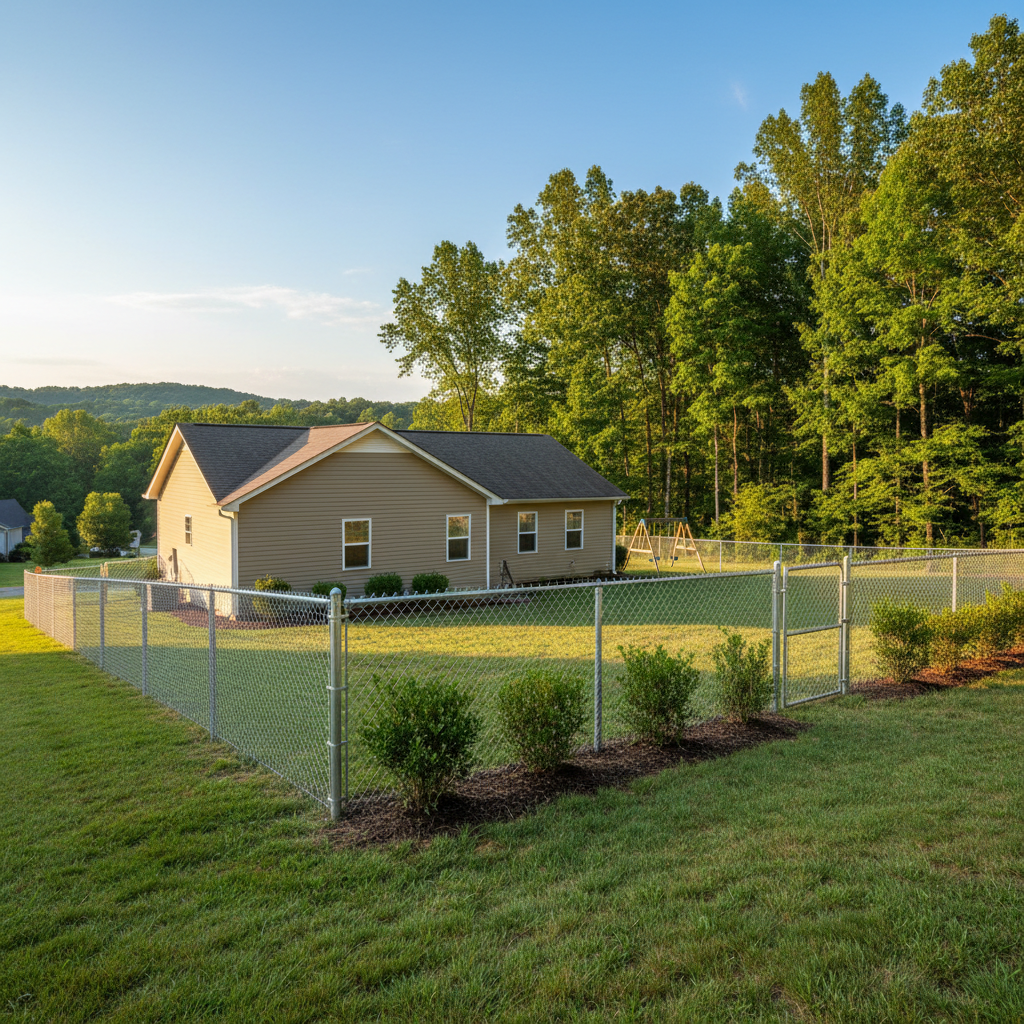
Thinking about a chain link fence for your place? Smart move, honestly. They're tough, they don't break the bank, and you barely have to touch them once they're up. But people always ask me, "When's the best time to install one?" and "How do I make sure it really lasts here in Loudon, with our crazy weather?" Good questions, both of them. Let's dig into that a bit.
When to Put Up Your Chain Link Fence in Loudon
Look, we can pretty much install a chain link fence any time of year here in Loudon. But some seasons are definitely easier on the crew – and better for the ground, too. We get some pretty distinct seasons, you know? Each one throws its own curveballs or gives us a helping hand.
- Spring (March-May): This is often the sweet spot. The ground's usually thawed out, nice and soft for digging post holes without a huge fight. It's not waterlogged like it can get in late winter, either. Temperatures are mild, which is a big plus for the guys working. The only real downside? Spring showers. They might delay us a day or two, but honestly, we're used to working around that kind of thing.
- Summer (June-August): Sure, we can install in the summer. But it gets hot. Like, *really* hot sometimes. Trying to dig post holes in hard, dry ground after weeks without rain? That can be a real pain. Plus, working in 90-degree heat with all that humidity is just brutal on the crew. We'll get the job done, no doubt, but it might take a little longer, and we'll definitely need more breaks. If your property has a lot of open, sunny spots, summer probably won't be the most comfortable time for an installation.
- Fall (September-November): Another fantastic window. The temperatures start to cool down, the ground's usually still easy to work with, and we often get a nice stretch of dry, pleasant weather. This is probably my personal favorite time to do installations. Less chance of extreme heat, less chance of frozen ground.
- Winter (December-February): This is where things can get tricky. If we have a mild winter, no problem. But if the ground freezes solid, digging turns into a nightmare. We're talking jackhammers and serious muscle just to get those post holes deep enough. That adds time, and sometimes cost, too. If you absolutely need a fence in winter, we'll do it. Just be aware we might have to wait for a thaw or work extra hard to break through that frozen topsoil, especially in places like the higher elevations around Tellico Village, where the ground can stay colder for longer.
So, if you've got some flexibility, aim for spring or fall. If not, we'll still make it happen, but it's good to know what to expect.
How Weather Conditions Affect the Job
Beyond the season itself, specific weather can definitely impact how we install your fence:
- Heavy Rain: We simply can't pour concrete into a trench that's full of water. If it's pouring, we'll have to hit pause. Muddy conditions also make it tougher to work efficiently and keep the site tidy.
- High Winds: This isn't as big a deal for chain link as it is for, say, a privacy fence, but strong winds can make stretching the mesh safely pretty challenging.
- Frozen Ground: As I mentioned, this is the biggest obstacle in winter. It just slows everything down considerably.
We always keep a close eye on the forecast and will let you know about any potential delays. We want to put your fence up right, not rush it in bad conditions.
Keeping Your Chain Link Investment Strong All Year
One of the best things about chain link is how little upkeep it actually needs, especially if you pick galvanized or vinyl-coated options. But "little" doesn't mean "none."
- Keep it Clean: Over time, dirt, leaves, and even mildew can build up, particularly on vinyl-coated fences. A quick spray-down with a garden hose a couple of times a year usually does the trick. For tougher spots, a soft brush and some mild soap can help get things sparkling.
- Check for Damage: Walk your fence line every now and then. Look for bent posts, loose ties, or mesh that's sagging. Kids climbing, pets digging, or even fallen branches can cause problems. Catching these early makes repairs much easier and cheaper, believe me.
- Clear Vegetation: Don't let vines or bushes grow into or over your fence. They put stress on the mesh and posts, and some aggressive vines can even cause rust over time if they trap moisture against the metal. Keep that perimeter clear.
- Address Rust Spots (Galvanized): If you have a standard galvanized fence and you spot any rust, especially after a scratch or ding, clean the area with a wire brush. Then, put on a rust-inhibiting primer and a matching metal paint. This isn't usually an issue with vinyl-coated fences unless the coating itself is really messed up.
- Gate Maintenance: Your gate is probably the most used part of your fence, right? Keep those hinges lubricated with a silicone spray or some grease. Check the latches and adjust them if they're sticking or not closing securely.
A chain link fence from Loudon Fencing Solutions is built to last. But a little bit of attention from you goes a long way in making sure it stands strong for decades. If you ever have questions or need a hand with a repair, you know who to call.