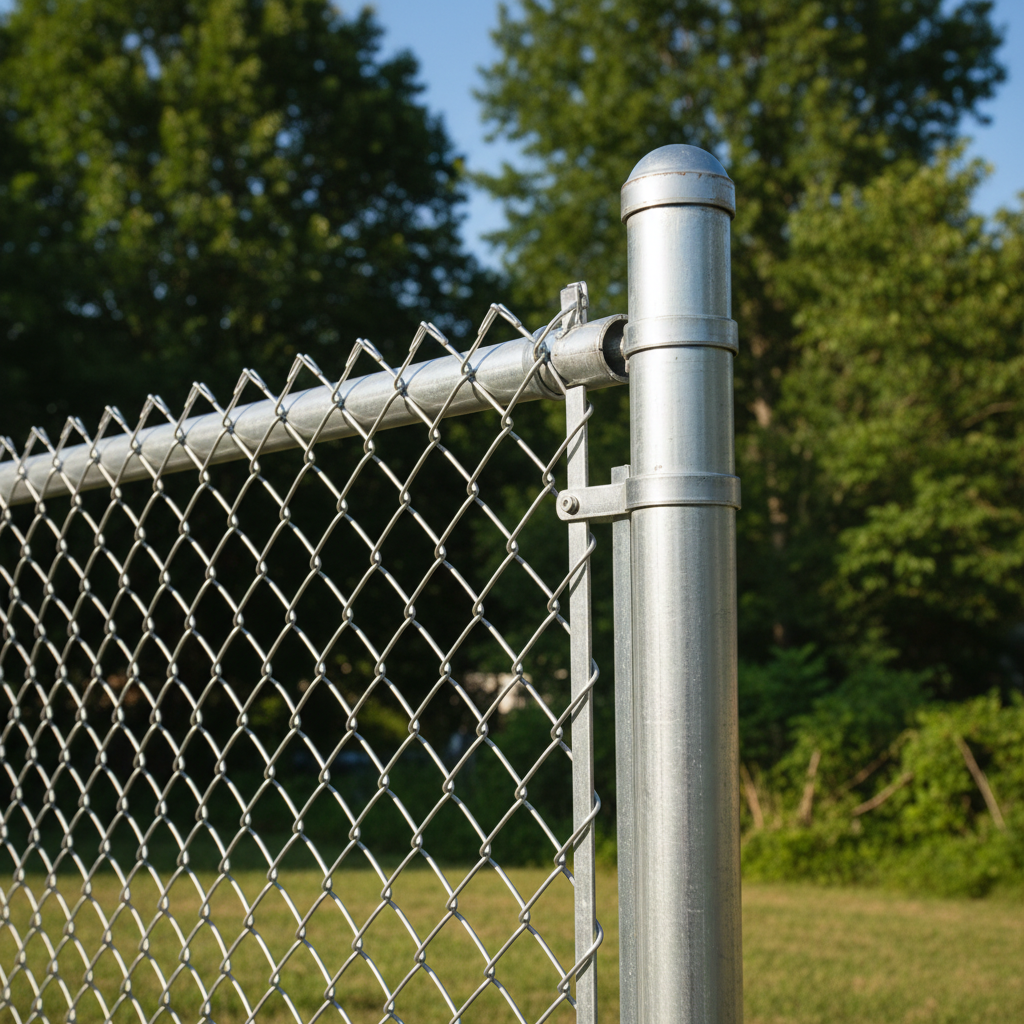
Chain link fences. You see 'em everywhere, right? From backyards in Tellico Village to commercial spots down near the lake. They're practical, they're tough, and honestly, they're often the most budget-friendly option when you need to secure a perimeter. But just because they're common doesn't mean you don't have questions. Homeowners here in Loudon ask me a lot of the same things, so I figured I'd put it all down in one spot. No fluff, just the real deal from someone who installs these things day in and day out.
How long does a chain link fence actually last here in Loudon?
That's a great question, and it's one of the big reasons folks pick chain link. A well-installed galvanized chain link fence, the kind we usually put in, can easily last 15 to 20 years. If you go with the vinyl-coated stuff, you're often looking at 20 to 30 years, sometimes even more. What makes the difference? A lot of it comes down to the quality of the materials – seriously, don't skimp on the wire gauge or the coating thickness. How it's installed plays a huge role too. Proper post depth, good concrete, and tensioning the fabric correctly all add to its lifespan. We've seen some older fences around the Lenoir City side that are still standing strong after decades, even with our sometimes-humid summers and occasional ice storms. Pretty impressive, huh?
Is chain link really secure enough for pets or kids?
Absolutely. For most pets and kids, it's more than secure enough. The mesh size is usually small enough that they can't slip through, and you can customize the height to prevent jumping over. For dogs, especially, it's a fantastic containment option. You can get different heights – 4, 5, or 6 feet are common – and if you've got a real jumper, we can even add a top rail and tension wire to make it extra sturdy. Now, if your dog is a serious digger, no fence is 100% foolproof without some extra measures, but you can bury the bottom of the fence a few inches or add a bottom tension wire to deter them. It's all about matching the fence to your specific needs.
What about privacy? Can I get any privacy with a chain link fence?
You're right, a standard chain link fence doesn't offer much privacy. It's see-through; that's just how it is. But you've got options if you want to add some. The most common solution is privacy slats. These are strips of plastic or aluminum that weave directly into the mesh. They come in different colors and can block anywhere from 75% to 98% of visibility, depending on the type you pick. Another popular method, especially around here, is planting vines or hedges along the fence line. Things like honeysuckle or privet can grow right into and over the fence, creating a living privacy screen. It takes a little time, but it looks great and provides excellent privacy.
How much maintenance does a chain link fence need?
This is where chain link really shines. It's incredibly low maintenance. For galvanized fences, you pretty much just need to keep an eye out for any damage – a fallen tree branch, a car backing into it, that sort of thing. If you see rust spots, which are rare on good quality galvanized, you can usually clean them up and hit them with a rust-inhibiting paint. Vinyl-coated fences are even easier; they resist rust and fading much better. For both types, I'd say once a year, just walk the fence line. Check the gates, make sure posts are solid, and look for any loose wires. If you've got a lot of trees, you might need to trim back branches that are rubbing against it. That's about it. No painting, no staining, just basic upkeep.
Can I install a chain link fence myself, or should I hire a pro?
Look, I'm a contractor, so you might think I'm biased, but here's the honest truth: you can install a chain link fence yourself. There are plenty of DIY guides out there. However, getting it right, making it look good, and ensuring it lasts for decades? That's tougher than it looks. Setting posts perfectly plumb and at the right depth, mixing concrete correctly, tensioning the fabric evenly without kinks, and installing gates so they swing true – these are all things that take experience. I've seen plenty of DIY fences that end up sagging within a year or have wobbly posts. If you're handy and have the time, go for it. But if you want a fence that's straight, strong, and installed to last, especially with some of the rocky soil we have in parts of Loudon County, hiring a professional like Loudon Fencing Solutions is usually the better bet. We've got the specialized tools and the know-how to get it done efficiently and correctly.
What are the different color options for chain link fences?
When most people think of chain link, they picture that classic silver galvanized look. And that's still the most common and often the most affordable option. But you're not stuck with just silver anymore. The big change was vinyl coating. You can get chain link fences coated in black, green, brown, and sometimes even white. Black is incredibly popular right now because it tends to blend into the background more than silver, making your yard feel more open. Green can work well if you've got a lot of foliage. These colored coatings aren't just for looks; they also add an extra layer of protection against rust and corrosion, extending the life of your fence even further. So, while the silver is classic, you definitely have choices to match your home's aesthetic.
Do I need a permit to install a chain link fence in Loudon?
This is super important, and it's one of those things that can cause headaches if you don't check first. Generally, for residential properties in Loudon County, you usually don't need a permit for fences under a certain height – often 6 or 7 feet – as long as you're not in a specific zoning overlay or historic district. However, there are always exceptions, and rules can change. For instance, if you're in an HOA, like many folks in some of the newer developments, they'll have their own set of rules about fence types, heights, and even colors. My best advice? Always check with the Loudon County Planning Department or your specific city's planning office before you start any fence project. It's also critical to call 811 before you dig to make sure you don't hit any underground utilities. We always handle these checks for our clients at Loudon Fencing Solutions, so you don't have to worry about it.