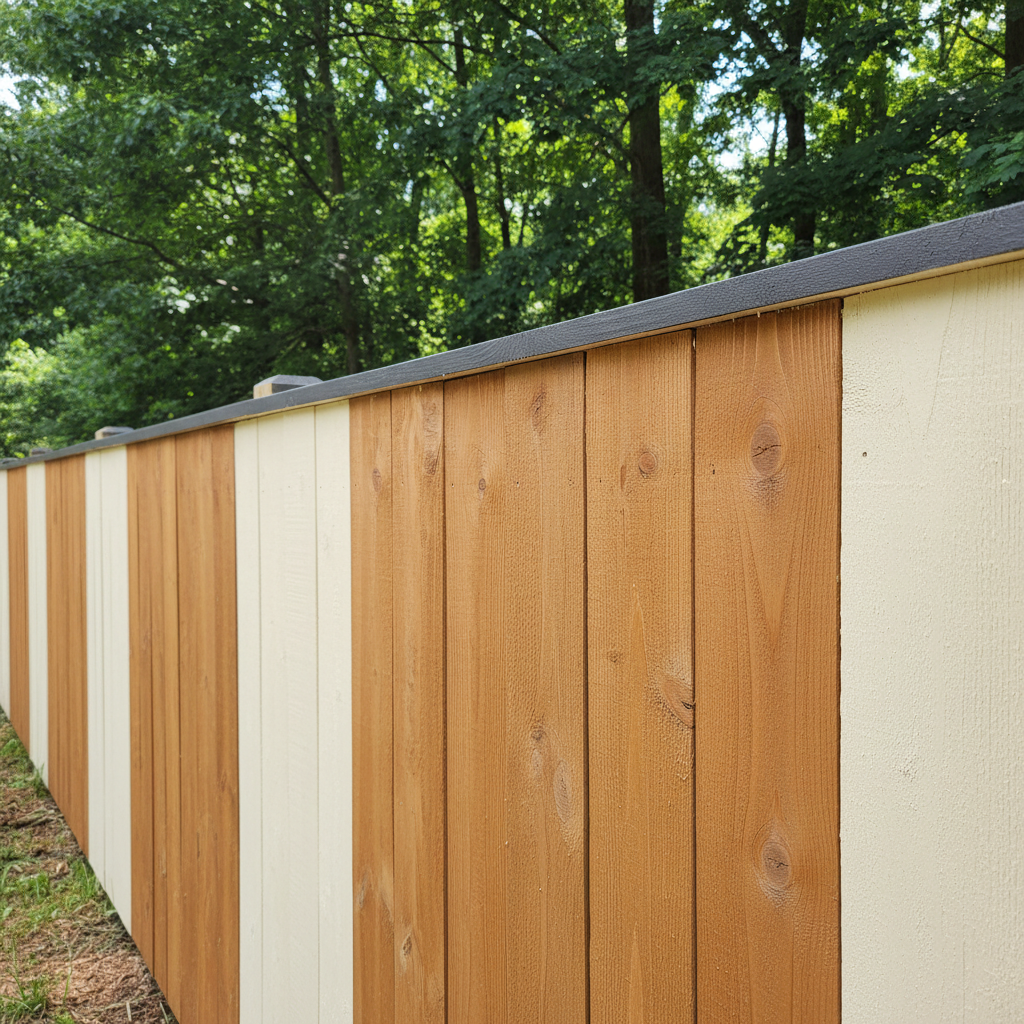
So, you're staring at your fence, huh? Thinking it could use a little pick-me-up? Maybe it's faded, looking a bit tired, or you just want a fresh color. The big question usually boils down to this: staining or painting? As someone who's put up more fences than I can count with Loudon Fencing Solutions, I've seen both approaches done really well and, well, not so well. Let's dig into what you need to know before you even think about grabbing a brush.
Before You Start: Planning & Prep
First things first: don't just dive in. A little planning now saves a ton of headaches later. The biggest mistake I see people make is skipping proper fence prep. It's like trying to paint a dirty car – the paint won't stick, or it'll just look awful.
Clean That Fence: Your fence absolutely needs to be clean, dry, and free of mildew, dirt, and any old, peeling finishes. For most wood fences, especially if they've been out there for a while, a good power wash is non-negotiable. You can rent one if you don't own one, easy. Just be careful, though; too much pressure can actually damage the wood. Use a wide fan tip and keep that spray moving. If you've got a lot of mildew, a bleach and water solution (think 1 part bleach to 3 parts water) or a commercial fence cleaner can work wonders. After cleaning, let it dry completely – and I mean *completely*. In our humid Loudon summers, that might take a couple of days after a good wash, particularly if your fence is in a shadier spot, like some of those properties near Fort Loudoun Lake.
Repairs First: Got any loose boards, popped nails, or rotten sections? Fix them now. Staining or painting over a wobbly board is just asking for trouble down the road, believe me. Replace any wood that's severely damaged. Tighten up anything that's loose. Sand down any rough spots or splinters, especially if you're going with a stain, which will really highlight the wood grain.
Stain vs. Paint – What's the Deal?
- Stain: Stain actually soaks into the wood, protecting it from the inside out. It usually lets the natural wood grain show through, which is why a lot of folks choose it for cedar or pressure-treated pine. It wears down over time, typically by fading, instead of peeling. Maintenance often means just cleaning it and reapplying.
- Paint: Paint sits on top of the wood, creating a solid, opaque layer. You get a much wider range of colors with paint, and it can hide imperfections better than stain can. The downside? It can chip, crack, and peel, especially with our temperature swings here in East Tennessee. When it's time to repaint, you'll probably need to scrape and sand off the old stuff, and that's a much bigger job.
For most residential fences, especially a new installation, I generally lean towards recommending a good quality stain. It's less maintenance in the long run and really lets the natural beauty of the wood shine. If you've got an older fence that's already been painted, well, you're pretty much committed to painting it again unless you want to spend a week stripping it down.
During the Project: Application Tips
Okay, so the fence is clean, dry, and repaired. Now for the fun part – or at least, the part where you start seeing some real progress.
Weather is Key: Don't try to stain or paint on a super hot, sunny day, or right before a rainstorm. The ideal conditions are usually a mild, overcast day with temperatures somewhere between 50-85°F. Check the forecast! You definitely don't want all your hard work washed away.
Application Method: You've got a few choices here:
- Brush: This is the most labor-intensive method, but it gives you the best control and makes sure the product really penetrates the wood grain. It's fantastic for intricate areas or if you're just doing a small section.
- Roller: Faster than a brush for flat surfaces, but you'll still need a brush for corners, edges, and in between boards.
- Sprayer: This is by far the fastest method, especially for a long fence. However, it needs more prep work (like masking off plants, your house, etc., to avoid overspray) and a bit of technique to keep drips and uneven coverage at bay. If you're not comfortable with a sprayer, I'd probably stick with a brush and roller.
No matter which method you pick, apply thin, even coats. Two thin coats are always, always better than one thick, gloppy mess. For stain, work with the wood grain. For paint, just make sure you're getting full coverage without any drips.
Don't Forget the Edges: Make sure you hit the tops, bottoms, and sides of the fence boards. These spots are often overlooked but are super important for full protection.
After the Job: Maintenance & When to Call a Pro
You did it! Your fence looks fantastic. Now, how do you keep it that way?
Regular Cleaning: Every year or two, give your fence a gentle wash with a hose and a soft brush to get rid of dirt and mildew. This stops buildup that can break down your finish over time.
Reapplication: How often you need to reapply really depends on the product you used, the type of wood, and how much sun and weather your fence has to put up with. Stains usually last 2-5 years, while paints might go 5-10 years before needing a full repaint. Keep an eye out for fading, dullness, or peeling. Catching it early makes the next job much easier, trust me.
When to Call Loudon Fencing Solutions:
- Too Big a Job: If you've got hundreds of feet of fence, or if it's really tall, it might be more than you want to tackle yourself. A professional crew can get it done efficiently and correctly, no problem.
- Extensive Damage: If your fence has a lot of rot, structural issues, or needs major repairs before it can even be prepped, that's usually beyond a typical DIY project.
- Don't Have the Time or Tools: Let's be honest, life gets busy. If you don't have a weekend to dedicate, or don't want to buy/rent all the equipment, it's totally fine to call in the pros. We've got the gear and the experience to make your fence look its best without you lifting a finger.
- Specific Finishes: If you're looking for a very specific, high-end finish or a custom color match, a professional might have the expertise to achieve it perfectly.
Ultimately, staining or painting your fence can be a really rewarding DIY project, and it definitely adds curb appeal to your Loudon home. Just make sure you do the prep work, pick the right product, and don't rush it. If it feels like too much, or you just want it done right the first time, you know who to call. We're always here to help.